
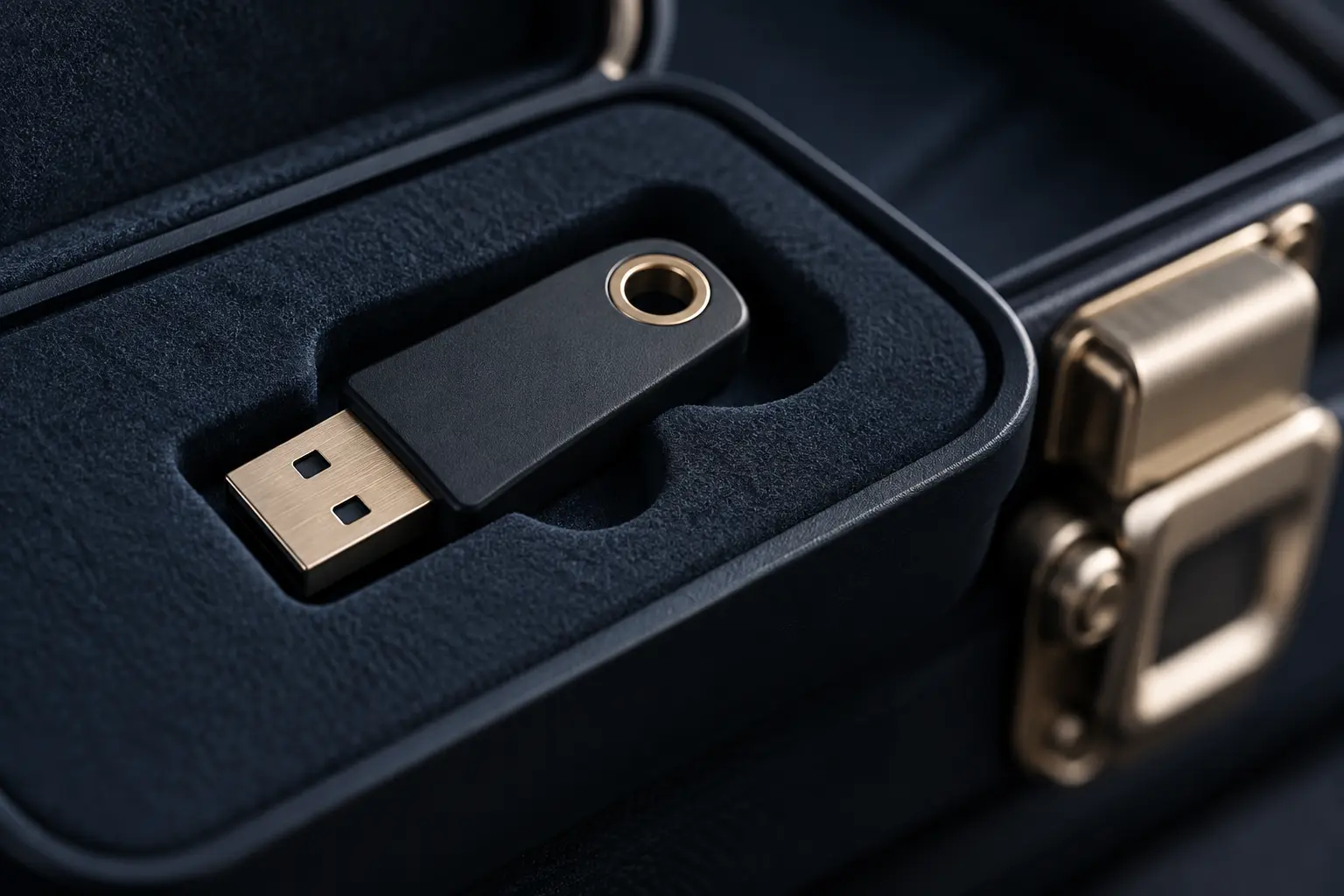
A wallet is a way to access and control crypto assets, not a container holding coins inside a device. The custody question concerns authority over keys and the responsibilities that follow.
Self-custody and third-party custody
With self-custody, the holder takes responsibility for protecting the access information. With third-party custody, access and withdrawals depend on a provider’s systems and agreement. Review loss of access and provider failure as separate scenarios. Neither model removes all risk.
Prepare for loss of access
Understand the recovery method before relying on it. Avoid sharing private keys or recovery phrases with anyone offering assistance. An account password reset and recovery of a self-managed wallet are different processes; the options depend on the actual arrangement.
Review transfer controls and service terms
Ask how withdrawals are authorised, what delays or limits can apply and how incidents are communicated. Where insurance is mentioned, read its scope and exclusions. This article explains review points and does not recommend a wallet, exchange or provider.