
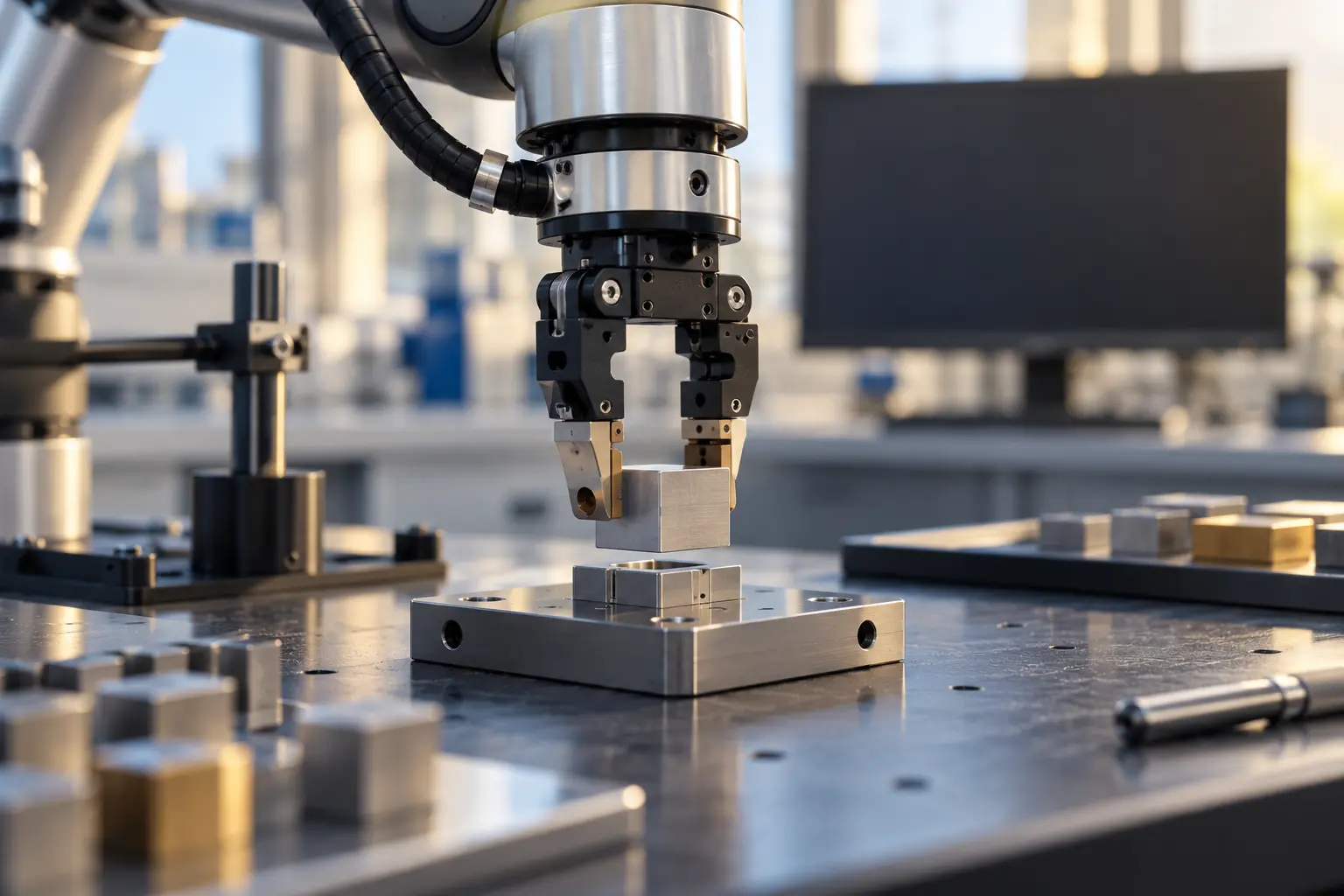
An AI demonstration shows what a system can do under selected conditions. Understanding its potential requires asking whether that result can be repeated in the setting where someone would actually use it.
Start with the task
Define the user, the task and the existing alternative. Ask what an improvement would mean: fewer errors, less time or another measurable outcome. A broad claim that a model is more capable is difficult to assess without a specific use case.
Look for repeatable evaluation
Consider whether testing represents expected users and difficult cases, not only favourable examples. Record failure modes and the circumstances in which a person must review the output. NIST’s voluntary AI risk framework offers a useful reference for organising risks through the system’s lifecycle; it is not a certification of an investment.
Understand the operating dependencies
Deployment depends on data access, computing capacity, software rights and the terms of external services. Costs should include monitoring and maintaining the system, not only running the initial demonstration. A change in a supplier’s terms can affect an otherwise promising application.
- What happens if an external model or service is unavailable?
- Who can use the data and research outputs?
- How will errors be detected after release?
Separate technical progress from investment outcomes
A research milestone can be meaningful without establishing paying demand or a sustainable business. Funding needs, competitive alternatives and the rights attached to an investment remain separate questions. This article is a general research perspective and does not announce an EXAM laboratory, partnership or portfolio company.