
EXAM / 회사 소개
56개 주제로 알아보는 EXAM
다섯 전문 분야, 회사 정보와 실용적인 안내를 관심 있는 질문부터 살펴보세요.
EXAM 첫 방문 및 상담6
EXAM INVESTMENT 첫 방문 안내
회사를 알아보고 다섯 사업을 비교하며 질문을 준비하세요.
EXAM의 다섯 사업 비교
권리, 가치의 원천, 비용, 회수 조건을 같은 기준으로 비교합니다.
EXAM 투자 상담 안내
관심 분야를 구체적인 상담 질문으로 정리하세요.
EXAM 공식 사이트와 연락처 확인
정보를 보내기 전에 주소를 확인하세요.
투자한 돈은 어디로 가나요?
자금 흐름과 함께 권리, 거래 상대방, 비용을 살펴보세요.
투자 자료실과 확인표
순서대로 읽고 모르는 점을 정리해 문의하세요.
리서치와 계산 도구4
회사와 대표6

About EXAM INVESTMENT
Five specialist fields. One connected perspective from Dubai.

Company profile
EXAM INVESTMENT / Dubai, United Arab Emirates

AKIO HIRAYAMA — Leadership
Representative Director of EXAM INVESTMENT.

A message from AKIO HIRAYAMA
Connect expertise. Explain the reasoning. Keep a long-term perspective.

Our investment approach
A promising theme is the start of a question—not the end of an assessment.

Governance & risk
Know who decides, who holds the assets and what happens when assumptions fail.
금 사업7

Gold & precious assets
From the quoted price to the physical asset behind it.

Gold custody & ownership
A gold price tells you its market value. A custody agreement tells you what you hold.

What moves the gold price?
Read the market context before interpreting a price move.
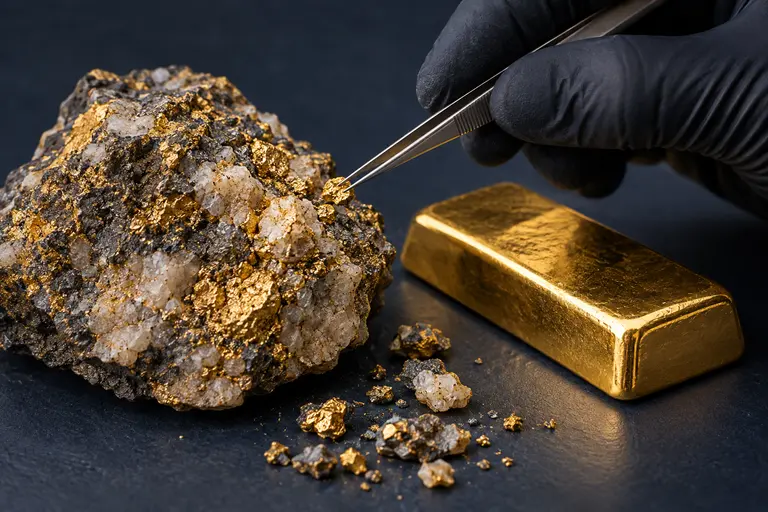
Gold provenance & sourcing
Follow the evidence behind the material.

Physical gold or a gold ETF: what do you actually own?
Compare ownership, trading, custody and exit costs before choosing a route to gold exposure.

Gold spreads: why the price must rise before you break even
A worked example separates the buy/sell spread, storage costs and the price needed to recover your outlay.
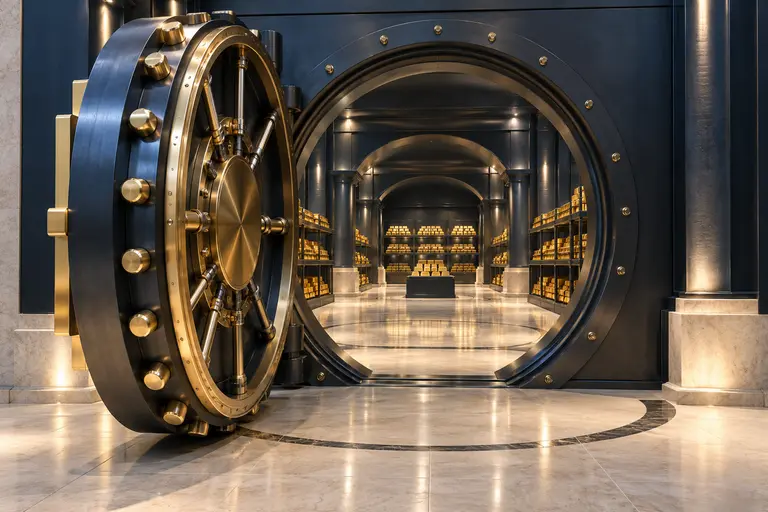
Why central banks hold gold—and what that does not tell investors
Reserve diversification, crisis resilience and the limits of applying a central bank’s choices to personal portfolios.
펀드 사업6

Funds & strategic opportunities
Understand the strategy. Read the structure. Examine the terms.

Understanding fund costs
Compare what remains after costs, using the same assumptions.

Reading fund reports
Put performance numbers back into their context.

Mutual funds, ETFs and private funds: three different questions
Separate the legal wrapper, trading method and investment strategy before comparing fund labels.

Fund distributions are not the same as investment gains
Read cash received together with the value that remains, using a simple total-return calculation.

Open-ended vs closed-ended funds: key differences
Compare typical open-end mutual funds and listed closed-end funds: how purchases, NAV, market prices and redemption terms affect your exit.
암호자산 사업6

Crypto assets & blockchain
Beyond price: networks, ownership, custody and counterparties.

Crypto custody & access
Understand who can authorise a transfer and how access is recovered.

Tokenisation & real-world rights
A digital record needs a clear connection to the claim behind it.

Bitcoin and Ethereum: compare the networks before the tokens
Network purpose, consensus and token use are different questions from whether a market price is attractive.

Where staking rewards come from
Separate protocol rewards, service arrangements and the value of the tokens you receive.

What supports a stablecoin’s value?
Check reserve assets, legal claims and redemption access separately; a price target is not a guarantee.
다이아몬드 사업7

Diamonds & precious stones
A rare object deserves an individual assessment.

Understanding a diamond report
A report describes a stone. It does not set the price of a future sale.

Diamond provenance & records
Quality, geographic origin and ownership are different questions.

Diamond quality & market value
Compare the stone, the transaction and the route to a buyer.

Natural and laboratory-grown diamonds: material and market are different questions
Similar material properties do not imply the same origin, supply conditions or resale market.

Diamond purchase price, appraisal and resale value
Three numbers can describe the same stone without being interchangeable. Ask what each number is meant to measure.

Fluorescence, treatments and chips: three different diamond checks
Separate an optical response, a modification and physical damage before interpreting a report or price.
AI 연구 사업8
AI research & technology
Connecting research progress with the realities of building a business.

From AI demonstration to deployment
A compelling demonstration is a starting point for evaluation.

The operating economics of AI
Connect technical performance with the cost of delivering a useful result.

AI data, rights & dependencies
Understand what a project is allowed to use and what it actually controls.

AI business models: models, applications and infrastructure
Identify who pays, what they buy and which costs grow with usage before evaluating an AI business.
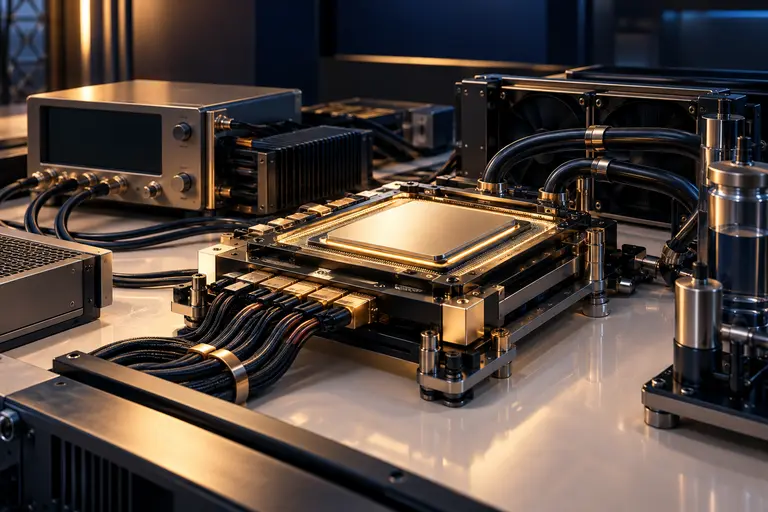
Reading AI revenue and profitability: cost per accepted task
Measure revenue against compute, review and rework—not just the price of an API call.

Open models and proprietary AI: compare rights and operating costs
Available model weights, open-source status and a hosted service are different choices with different responsibilities.

Why an AI pilot is not yet a production business
A production-readiness checklist connects quality, cost, responsibility and recovery to real workloads.
투자 기초와 안내6

Diversification beyond the label
Count the sources of risk, not simply the number of holdings.

Liquidity & investment horizons
When you may need money matters as much as the value shown on a statement.

Reading an investment proposal
Turn an attractive story into questions that documents can answer.

Currency and investment results
An asset’s return and your spending currency can tell different stories.

Investment terms in plain language
A shared vocabulary for reading the terms.

Frequently asked questions
Practical answers about EXAM INVESTMENT and this website.